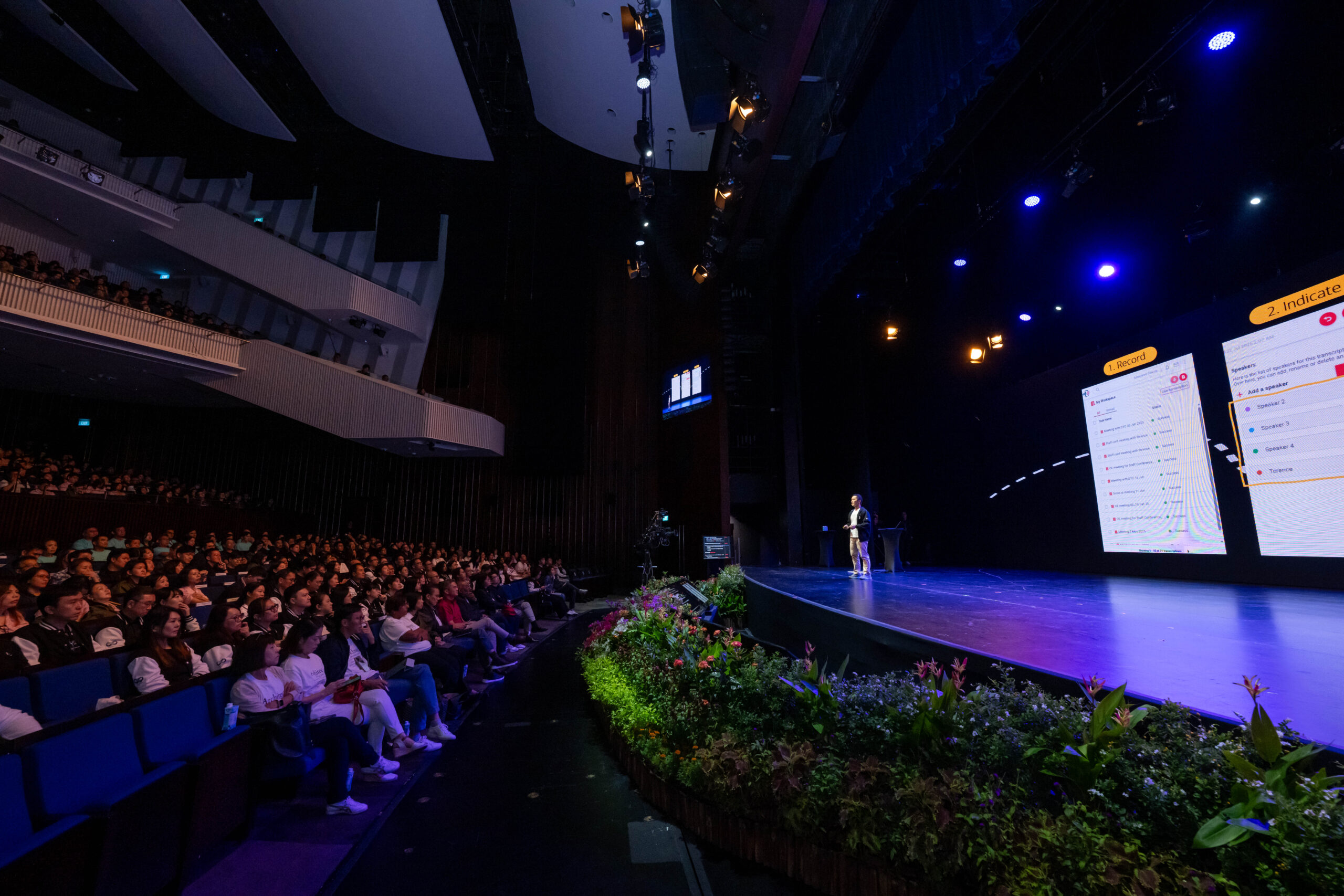
The world of events has been irrevocably transformed. The once-standard model of in-person gatherings has given way to a more flexible and inclusive approach, with virtual and hybrid conferences becoming a cornerstone of modern event strategy. This shift, accelerated by global circumstances, has unlocked unprecedented opportunities for audience reach and engagement. However, it has also introduced a new layer of complexity. Designing and executing a seamless virtual or hybrid conference one that delivers a consistently high-quality experience for both in-person and remote attendees requires a strategic, forward-looking, and solution-oriented approach. This is where expert conference event management comes into play. This guide will provide a comprehensive framework for designing and managing successful virtual and hybrid conferences. We will explore the critical elements of strategy, technology, content, and execution, offering insight-driven guidance to help you create truly immersive and impactful event experiences. As a leading conference management company, we understand the nuances of this new landscape and are here to help you navigate it with confidence.
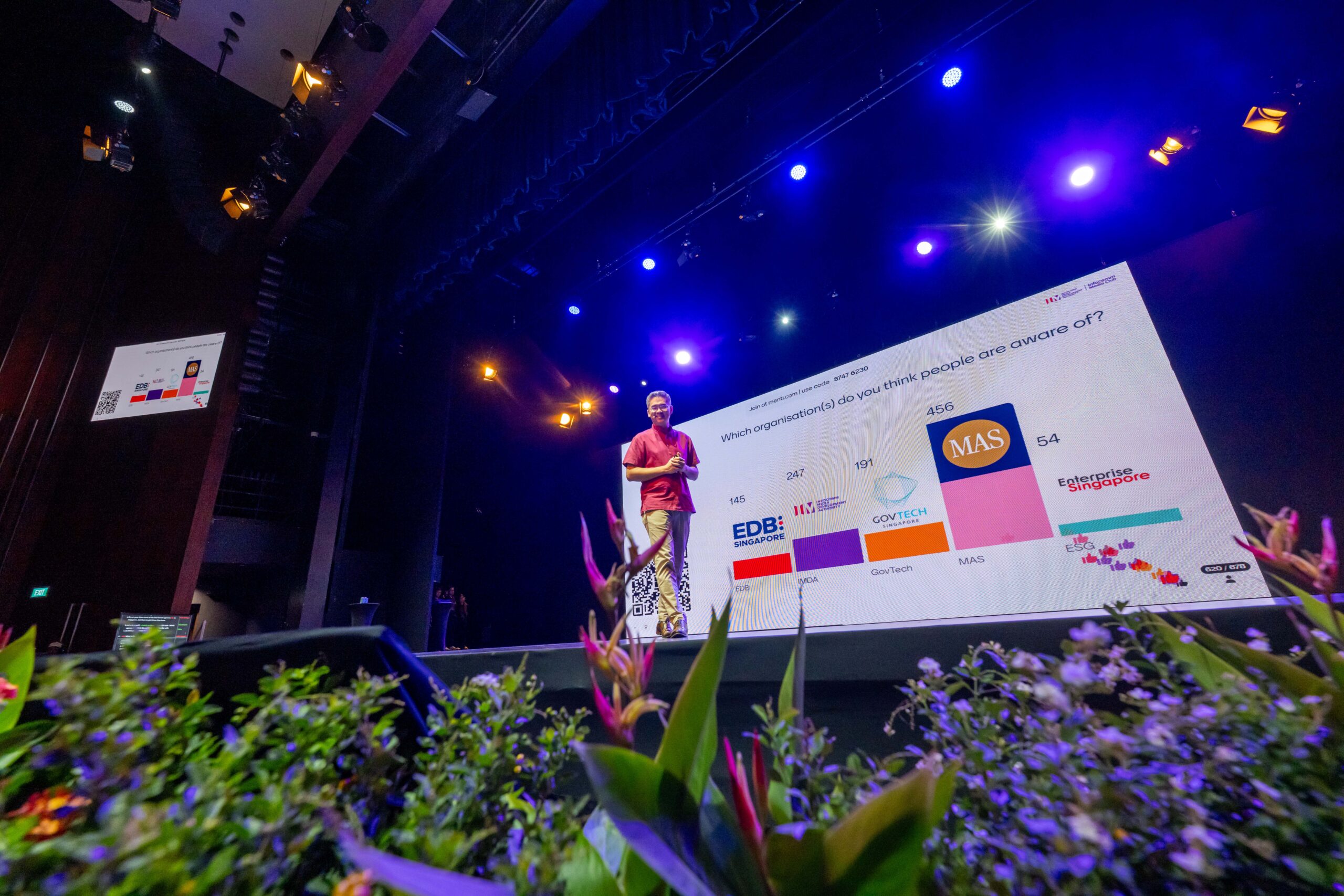
The Foundation of a Successful Conference: Strategy and Planning
A successful conference, whether virtual, hybrid, or in-person, is built on a solid foundation of strategic planning. Before a single platform is chosen or a speaker is booked, it is essential to define what you want to achieve and who you want to reach. This initial phase is the most critical, as it will inform every subsequent decision you make.
Defining Clear Objectives
The first step in any event strategy is to define clear, measurable objectives. Why are you hosting this conference? What do you hope to achieve? Your goals might include:
- Brand Awareness: Increasing the visibility of your brand within your industry.
- Lead Generation: Capturing new leads for your sales team.
- Customer Engagement: Strengthening relationships with existing customers.
- Education and Training: Providing valuable content and training to your audience.
- Community Building: Fostering a sense of community among your attendees.
Once you have defined your objectives, you need to determine how you will measure success. Key performance indicators (KPIs) for a virtual or hybrid conference might include:
- Registration and Attendance Rates: The number of people who register for and attend your event.
- Audience Engagement: Metrics such as live chat participation, poll responses, and Q&A submissions.
- Lead Generation: The number of new leads captured through registration forms or other lead capture mechanisms.
- Social Media Mentions: The number of times your event is mentioned on social media.
- Post-Event Survey Feedback: Feedback from attendees on their experience.
Understanding Your Audience
Once you know what you want to achieve, you need to understand who you are trying to reach. For a hybrid conference, this means creating detailed personas for both your in-person and virtual attendees. Consider their demographics, job roles, pain points, and motivations. What are they looking to get out of your conference? What are their expectations for a virtual or hybrid event? Pre-event surveys and social media engagement can be invaluable tools for gathering this information. By understanding your audience’s needs and preferences, you can tailor your content, networking opportunities, and overall event experience to ensure that it is relevant and engaging for everyone.
The Technology Stack: Powering a Seamless Experience
Technology is the backbone of any virtual or hybrid conference. The right technology stack will not only enable you to deliver a seamless experience for both your in-person and virtual attendees but will also provide you with the tools you need to engage your audience and measure your success. When it comes to conference event management, selecting the right technology is a critical decision that should not be taken lightly.
Choosing the Right Platform
Your event platform is the central hub of your virtual or hybrid conference. It is where your virtual attendees will watch sessions, interact with other attendees, and engage with your content. When choosing a platform, look for the following key features:
- Live Streaming and On-Demand Content: The ability to stream live sessions and make them available on-demand after the event.
- Networking Tools: Features such as one-on-one video chat, group networking lounges, and AI-powered matchmaking.
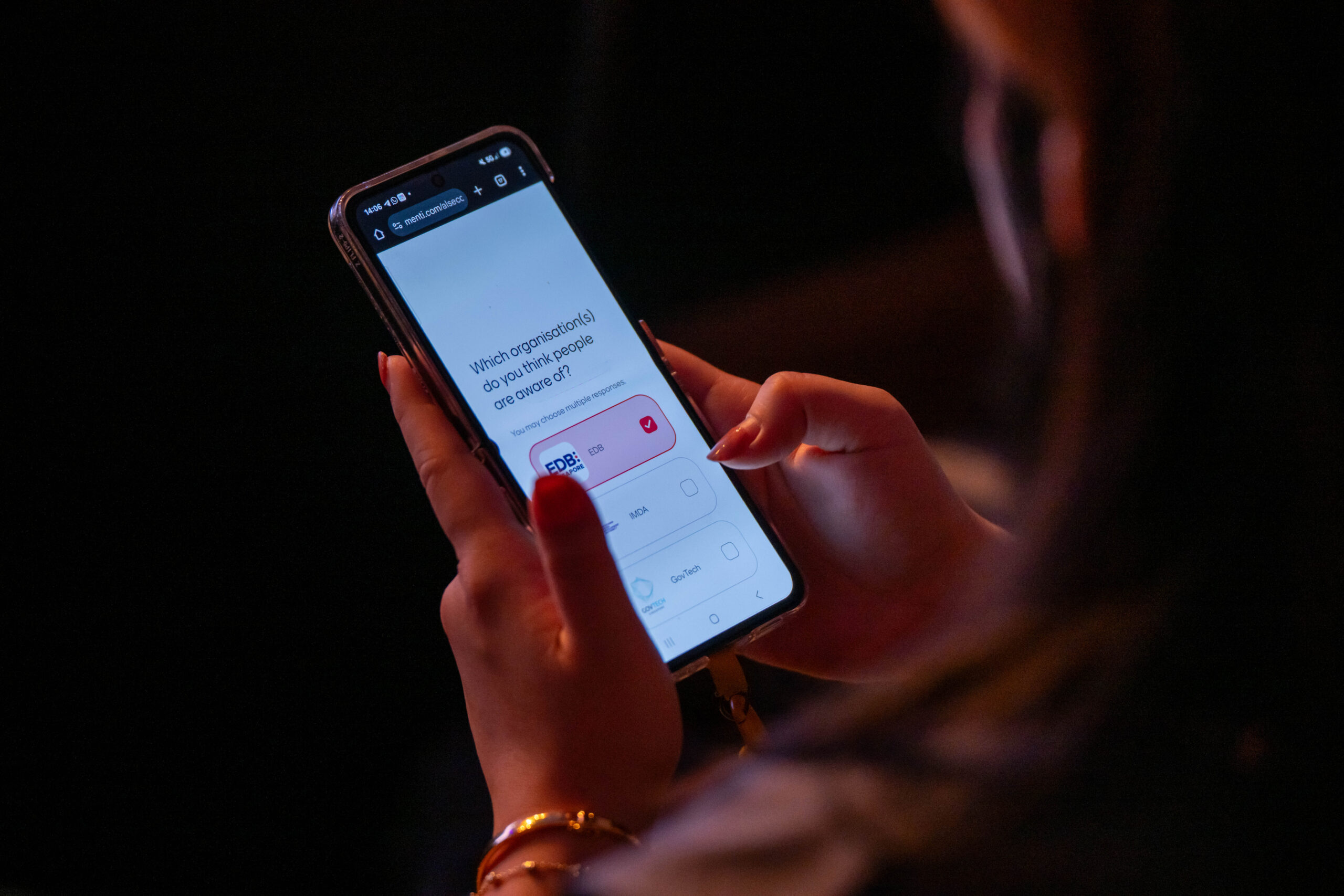
- Audience Engagement Tools: Interactive features such as live polls, Q&A, and chat.
- Integration Capabilities: The ability to integrate with other tools in your marketing and sales stack, such as your CRM and marketing automation platform.
- User-Friendly Interface: An intuitive and easy-to-use interface for both attendees and event organizers.
Essential Hardware for Hybrid Events
For hybrid events, you will also need to consider the hardware required to capture and stream your in-person sessions. This includes:
- High-Quality Cameras and Microphones: Professional-grade cameras and microphones to ensure high-quality video and audio.
- Reliable Internet Connectivity: A dedicated, high-speed internet connection to avoid any streaming issues.
- On-Site AV Team: An experienced on-site AV team to manage the production and streaming of your in-person sessions.
Content and Engagement: Captivating Your Audience
Content is king, and this is especially true for virtual and hybrid conferences. With so many distractions available online, it is more important than ever to create content that is engaging, informative, and relevant to your audience. As one of the top conference event management companies, we know that a well-designed content and engagement strategy is essential for success.
Designing a Unified Content Strategy
Your content strategy should be designed to engage both your in-person and virtual attendees. This means creating a variety of content formats, such as:
- Live Sessions: Keynote presentations, panel discussions, and fireside chats.
- Pre-Recorded Content: On-demand sessions that attendees can watch at their own convenience.
- Interactive Workshops: Hands-on workshops that allow attendees to learn new skills.
It is also important to have a dynamic and engaging virtual host or emcee who can guide your virtual attendees through the event and keep them engaged.
Fostering Interaction and Networking
One of the biggest challenges of virtual and hybrid events is creating a sense of community and fostering networking opportunities. However, with the right tools and strategies, it is possible to create a highly interactive and engaging experience for your virtual attendees. Consider the following:
- Live Polls, Q&A, and Chat: These tools can be used to encourage audience participation during sessions.
- Breakout Rooms: Breakout rooms can be used for small group discussions and networking.
- Virtual Networking Lounges: Virtual networking lounges can provide a more informal setting for attendees to connect with each other.
- Dedicated Community Manager: A dedicated community manager can help to facilitate networking and answer any questions that your virtual attendees may have.
The Art of Execution: Flawless Delivery
Even the best-laid plans can go awry if they are not executed flawlessly. This is where the expertise of a conference management company can be invaluable. From creating a detailed run of show to developing a comprehensive contingency plan, there are many moving parts to consider when it comes to event conference management.
The Run of Show: A Minute-by-Minute Plan
Your run of show is a minute-by-minute plan for your entire event. It should include everything from the start and end times of each session to the cues for your speakers and AV team. A detailed run of show is essential for ensuring that your event runs smoothly and that everyone is on the same page.
Contingency Planning: Preparing for the Unexpected
No matter how well you plan, there is always a chance that something will go wrong. That is why it is so important to have a comprehensive contingency plan in place. Your contingency plan should identify potential risks, such as technical failures, speaker cancellations, and low attendance, and outline a plan for how you will address each of these scenarios.
Beyond the Event: Maximizing Your ROI
The end of your conference is not the end of your event strategy. In fact, it is just the beginning. By making your content available on-demand and continuing the conversation on social media, you can extend the life of your event and maximize your return on investment.
Post-Event Engagement
Making your session recordings available on-demand is a great way to continue providing value to your attendees after the event is over. You can also use social media and online communities to continue the conversation and keep your attendees engaged.
Measuring Success and Gathering Feedback
Finally, it is important to measure your success and gather feedback from your attendees. This will help you to understand what worked well and what could be improved for future events. Be sure to track your KPIs and send out a post-event survey to gather feedback from your attendees.
Conclusion
Designing and executing a seamless virtual or hybrid conference is no small feat. It requires a strategic, holistic, and attendee-centric approach. By focusing on the key pillars of strategy, technology, content, and execution, you can create an immersive and impactful experience that delivers real value to your attendees and your business. As you embark on your next conference event management journey, remember that a successful event is one that leaves a lasting impression on every single attendee, whether they are in the room or on the other side of the world. Ready to design your next seamless conference experience? Contact us today to learn how our team of experts can help you bring your vision to life.