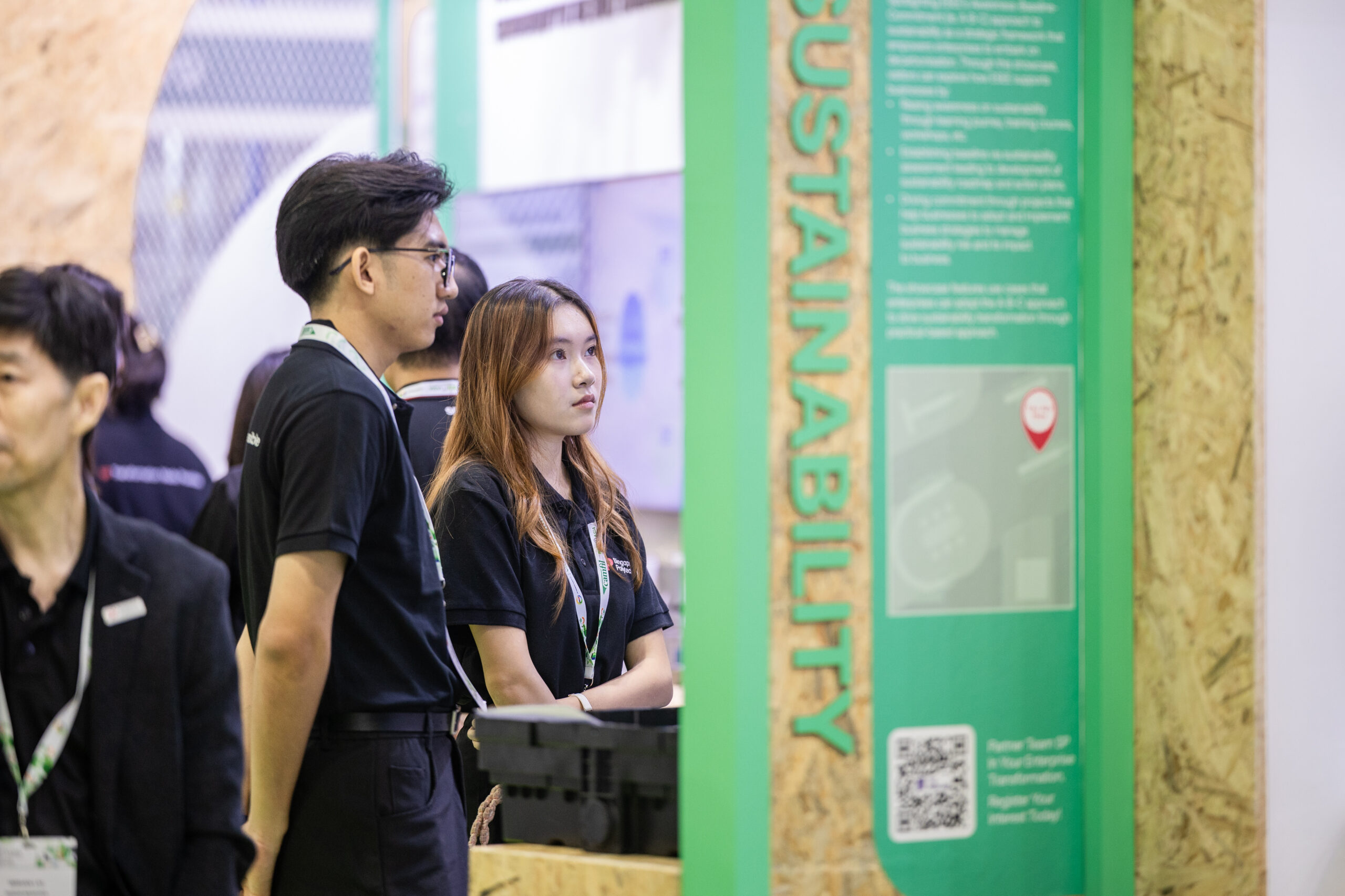
Sustainable MICE in Singapore has evolved into a core pillar of professional event management. Guided by the Singapore Green Plan 2030 and the Singapore Tourism Board’s MICE Sustainability Roadmap, environmental performance now supports regulatory alignment, brand credibility, and long-term operational excellence.
A successful sustainability blueprint is built on three foundational pillars: BCA Green Mark certified infrastructure, circular resource management systems, and transparent carbon measurement standards. Together, these elements enable organisations to align corporate events with national priorities while strengthening long-term value creation.
The Strategic Shift: Sustainability as a Core Performance Indicator
For senior leadership teams, sustainability has progressed from a voluntary initiative to a key performance indicator that reflects governance quality and organisational maturity.
Large-scale events in Singapore increasingly operate within structured environmental frameworks. Organisations that adopt measurable sustainability practices demonstrate alignment with global reporting standards such as the Global Reporting Initiative and emerging ESG benchmarks.
The Singapore Tourism Board’s industry-wide tracking of waste and carbon emissions since 2023 further supports this transition. With the sector working towards net-zero emissions by 2050, sustainability strategies grounded in verified data provide long-term clarity and credibility.
This transition reflects a move from linear consumption models towards integrated circular ecosystems.
Infrastructure First: The Venue as a Strategic Partner
The foundation of every sustainable MICE strategy is high-performance infrastructure. In Singapore, this is guided by the Building and Construction Authority’s Green Mark certification framework.
When evaluating venues, visual appeal is complemented by energy efficiency and environmental performance. Knoxx advises clients to prioritise facilities that have achieved Green Mark Platinum certification.
These venues integrate district cooling, smart lighting systems, and water-efficient fittings into their design. As a result, they provide a built-in sustainability advantage that supports event-level optimisation.
By selecting certified infrastructure, organisations establish a strong baseline for environmental performance and enable teams to focus on logistics, content delivery, and participant engagement.
Operationalizing the Roadmap: Sustainable Event Planning Best Practices
Once the venue is secured, sustainability outcomes are driven by operational execution. High-impact programmes are built on circular planning principles that promote reuse, optimisation, and resource efficiency.
1. The Digital Fortress: Eliminating Paper Friction
Digital platforms form the backbone of modern sustainable conferences.
NFC and QR-based access systems replace physical badges and lanyards. Event applications host agendas, speaker profiles, and technical documentation in real time. High-definition LED displays enable dynamic branding without disposable materials.
Together, these systems support fully integrated paperless operations while enhancing participant experience.
2. The Circular Supply Chain
Sustainable performance is reinforced through disciplined procurement.
Knoxx implements structured supplier evaluation frameworks to ensure materials are modular, reusable, or recyclable. Aluminium-based system structures are prioritised over single-use timber fabrication, supporting long-term asset optimisation.
This approach enables consistent material recovery and supports lifecycle-based resource management.
3. Precision F&B Logistics
Food management plays a central role in sustainable event delivery. In alignment with Singapore’s “30 by 30” food security objective, catering programmes prioritise locally sourced produce to reduce transport emissions. Data-driven forecasting models further enhance demand accuracy and minimise surplus. Excess food is processed through certified redistribution partners or onsite digestion systems, supporting circular waste management.
Sustainability initiatives are integrated with security, audiovisual production, and crowd management systems to ensure consistent operational performance.
Proof of Expertise: The Zero-Waste Government Symposium
Sustainability strategies demonstrate their value through execution.
A recent government-linked regional summit managed by Knoxx illustrates this principle. The event welcomed 500 delegates over three days and operated under a zero-waste-to-landfill mandate.
The Execution Framework:
All incoming materials were audited. Filtered water stations and reusable glassware replaced bottled water. Bulk dispensers substituted single-use packaging.
A proprietary event platform hosted agendas, technical papers, polling, and networking tools, eliminating printed collateral and conserving approximately 15,000 sheets of paper.
Closed-loop food management systems ensured full organic waste recovery.
The Outcome:
The event achieved its sustainability benchmarks and produced a verified Carbon Footprint Report. This documentation formed a core component of the client’s annual ESG disclosure.
The programme demonstrated the value of systems-based sustainability design.
The Legacy Component: Measurement and Carbon Accounting
Sustainable events generate value beyond their physical duration. Measurement and reporting form the final phase of the sustainability lifecycle. High-quality carbon accounting follows the GHG Protocol Corporate Standard. Scope 1 covers onsite fuel usage and fleet operations. Scope 2 includes purchased electricity. Scope 3 encompasses travel, accommodation, and waste processing.
Knoxx applies internationally calibrated carbon assessment tools to quantify environmental impact. Clients are supported in implementing high-integrity offset programmes for unavoidable emissions.
This structured approach strengthens transparency and supports long-term reporting confidence.
From Commitment to Performance Excellence
Sustainability in the MICE sector represents operational maturity and strategic alignment. Organisations that adopt this green blueprint enhance regulatory alignment, strengthen brand positioning, and develop future-ready event platforms.
By embedding sustainability into infrastructure, procurement, and governance, enterprises establish measurable environmental leadership. Organisations seeking to advance data-driven sustainable event programmes are encouraged to engage experienced specialists early in the planning process.
Ready to elevate your sustainable MICE strategy? Contact our team to begin building your corporate green blueprint.