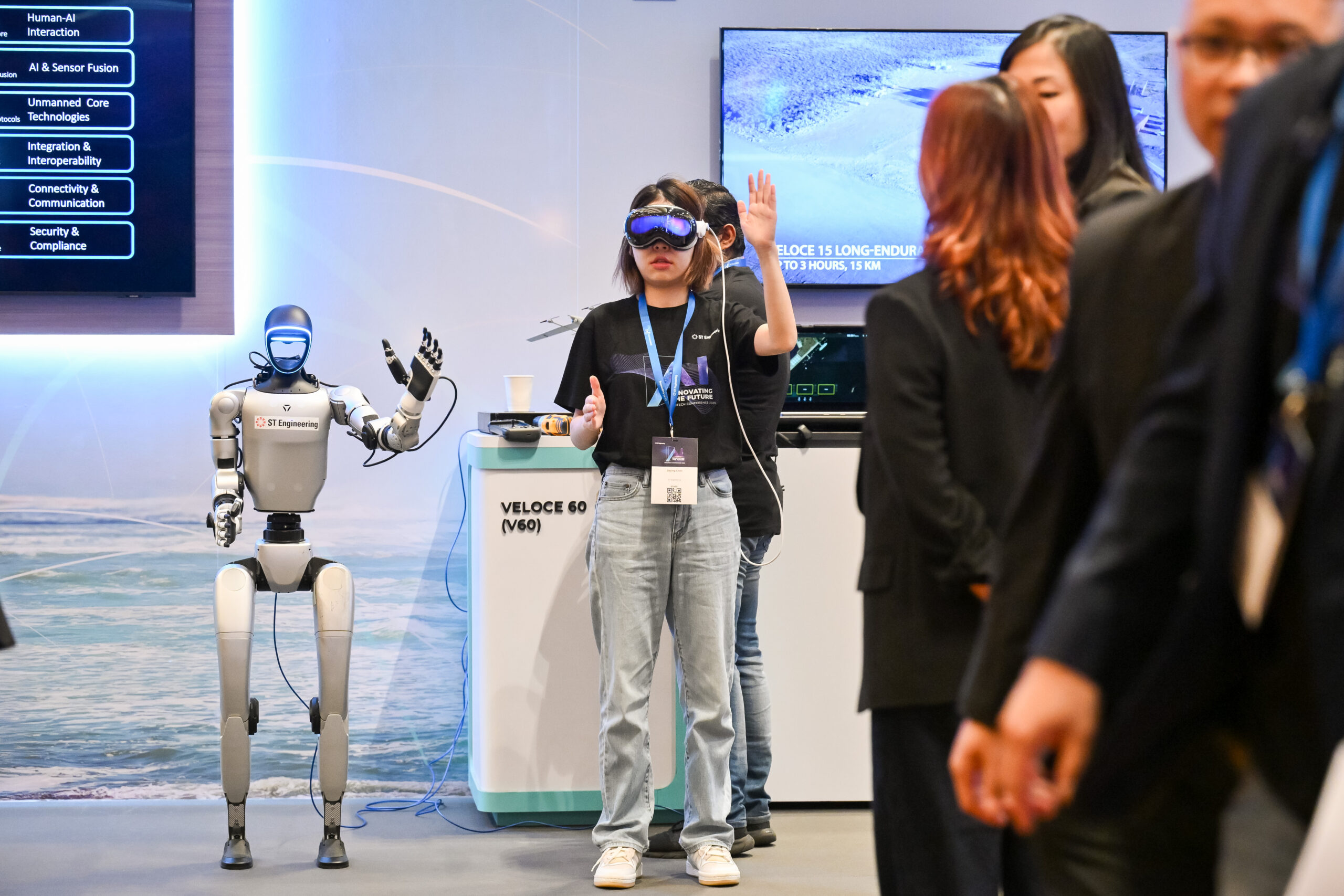
The future of exhibition and event management is being driven by the growing use of automation and AI to improve how events are planned, delivered, and measured. As exhibitions become more complex and expectations continue to rise, technology is helping teams operate with greater efficiency, consistency, and visibility across every stage of the event. Rather than replacing human expertise, AI and automation enhance decision-making, reduce operational friction, and enable more engaging, well-coordinated experiences for both exhibitors and attendees.
The Shift from Logistics to Intelligence
Exhibition and event management has traditionally relied on manual coordination, experience-based judgment, and static planning. While this approach may have been sufficient in the past, it becomes increasingly difficult to sustain as events grow in scale, involve more stakeholders, and demand stronger performance outcomes. Without technology, organisers are often forced to make critical decisions with limited real-time insight, relying on estimates for crowd flow, space usage, and staffing requirements.
These limitations can lead to inefficiencies such as congestion at entry points, uneven distribution of attendees across the venue, and last-minute adjustments that place pressure on teams. As budgets tighten and event performance is more closely scrutinised, these challenges move beyond operational inconvenience and begin to affect brand perception, exhibitor satisfaction, and attendee engagement. This has driven a shift away from static checklists toward more intelligent, adaptive approaches to exhibition management.
How AI Tools and Smart Technologies Are Transforming Exhibitions
The adoption of AI tools and smart technologies is reshaping how exhibitions are planned and delivered at an operational level. Rather than acting as standalone features, these systems form a connected digital layer that supports decision-making, reduces friction, and improves consistency throughout the event lifecycle. From anticipating operational pressure points to optimising physical environments and coordinating delivery, technology is becoming an essential enabler of better-run exhibitions.
1. Predictive Operational Modeling
AI-powered modelling tools allow organisers to anticipate how an exhibition will function before it opens. By analysing registration trends, space layouts, and historical movement patterns, potential congestion points, staffing gaps, or scheduling conflicts can be identified early. This enables teams to refine floor plans, entry flows, and staffing strategies in advance, reducing the need for reactive fixes during live operations and supporting a smoother experience for attendees and exhibitors alike.
2. The Smart Venue Ecosystem
Smart venue technologies extend this intelligence into the physical event space. Sensors and connected systems provide real-time visibility into crowd density, environmental conditions, and space utilisation across the exhibition floor. These insights allow venues to respond dynamically by adjusting ventilation, lighting, or room conditions to maintain comfort and flow. For organisers, this creates a more controlled and responsive environment that supports engagement without drawing attention to the technology working behind the scenes.
3. Automated Compliance and Vendor Coordination
Exhibitions often involve multiple vendors and tight timelines, making coordination difficult without the right systems in place. Automation helps centralise approvals and readiness tracking, reducing delays and last-minute issues. For marketers, this means greater confidence that the exhibition space will be delivered on time, aligned with brand expectations, and able to support a smooth attendee experience.
Frictionless Experiences: The Invisible Check-In
One of the most immediate ways AI and automation improve exhibitions is by removing friction at key touchpoints, starting with event entry. Long queues, manual badge scanning, and delayed access can undermine the experience before attendees even reach the show floor. Smart entry systems integrated with registration platforms allow attendees to move through access points quickly and securely, setting a positive tone from the outset.
At a recent high-tech summit delivered by Knoxx, a biometric facial recognition entry system was introduced to address persistent check-in delays. Attendees completed identity verification during registration and were authenticated automatically upon arrival, allowing them to enter without scanning badges or QR codes. More than 2,500 attendees were processed in under 45 minutes with no visible queues. Real-time venue data also supported balanced crowd flow throughout the event, ensuring a seamless entry experience that allowed attendees to focus immediately on content and engagement.
Beyond Access: Hyper-Personalised Attendee Journeys
Once foundational friction points are removed, AI enables a more tailored experience across the exhibition journey. Instead of relying on generic schedules or static show guides, organisers can use behavioural and preference data to guide attendees toward relevant sessions, exhibitors, and networking opportunities.
By analysing pre-event interactions and professional interests, AI-driven platforms surface timely recommendations that align with individual goals. For exhibitors and marketers, this results in more purposeful interactions and higher-quality engagement, while attendees benefit from a more focused and relevant experience. When applied thoughtfully, hyper-personalisation enhances value without overwhelming users, reinforcing the perception of a well-designed exhibition.
The Data Legacy: ROI Beyond the Show Floor
Perhaps the greatest value of AI is what happens after the event. Historically, post-event reports were limited to badge scans and survey results. Today, we can provide a “Digital Legacy.”
Sentiment analysis tools can scan thousands of social media posts, session feedback forms, and even facial expressions in crowd photos to gauge the emotional resonance of the event. We can tell you not just how many people attended a keynote, but at what specific minute they started to lose interest. This level of intelligence transforms the event from a one-off expense into a strategic asset, providing the data necessary to secure budget and buy-in for the next fiscal year.
The Strategic Advantage of Intelligent Events
The adoption of AI and automation is not an option; it is an inevitability. The industry is bifurcating into two groups: those who use technology to create seamless, high-value human connections, and those who remain bogged down in manual logistics. Automation does not remove the human touch; it protects it. By letting the machines handle the predictable, we liberate your team to handle the exceptional—the hospitality, the creativity, and the relationship building that no algorithm can replicate.
Ready to future-proof your next major exhibition? Partner with the strategists who speak the language of innovation. Contact the Knoxx team today.